
Key Gynaecological Conditions Every Woman Should Understand

Understanding common gynaecological conditions empowers women to recognise warning signs early and seek appropriate care. By becoming more informed about key gynaecological conditions, women can take a proactive role in safeguarding their health and quality of life.
Why Understanding Gynaecological Health Matters
Early detection is especially important for conditions such as endometriosis, fibroids and certain gynaecological cancers, where timely treatment can improve outcomes and reduce the risk of complications. Regular screening, open discussions about symptoms and routine check-ups with a gynaecologist form the foundation of preventive care.
Common Gynaecological Conditions
Understanding these common conditions can help women recognise symptoms early and seek timely medical advice.
Polycystic Ovary Syndrome (PCOS)
Polycystic Ovary Syndrome is a hormonal condition that affects how the ovaries function. Women with PCOS may experience irregular or absent periods, acne, excessive hair growth, weight gain and difficulty conceiving. The condition is linked to insulin resistance and hormonal imbalance.
Although PCOS is a long-term condition, symptoms can be effectively managed with lifestyle adjustments, medication and fertility support where needed. Early diagnosis also reduces the risk of associated complications such as diabetes and endometrial thickening.
Endometriosis
Endometriosis is a well-known condition that typically causes painful periods, chronic pelvic pain and discomfort during intercourse. Some women may also experience fertility challenges.
This condition occurs when tissue similar to the lining of the uterus grows outside the womb, commonly affecting the ovaries, fallopian tubes and pelvic lining. Symptoms can vary in severity and are sometimes mistaken for normal menstrual pain. Proper evaluation and treatment may help improve quality of life and potentially reduce disease progression.
Uterine Fibroids
Uterine fibroids are non-cancerous growths that develop in or around the uterus. They are common during the reproductive years and vary in size and number. While some women have no symptoms, others may experience heavy menstrual bleeding, prolonged periods, pelvic pressure or frequent urination.
Treatment depends on the severity of symptoms, the size and location of fibroids and whether fertility preservation is desired.
Ovarian Cysts
Ovarian cysts are fluid-filled sacs that form on or within the ovaries. Many cysts are functional and resolve on their own without treatment. However, larger or abnormal cysts may cause pelvic pain, bloating or menstrual irregularities.
In some cases, cysts may rupture or twist, leading to sudden severe pain that requires urgent medical attention. Regular monitoring helps determine whether intervention is necessary.
Pelvic Inflammatory Disease (PID)
Pelvic Inflammatory Disease is an infection of the female reproductive organs, often caused by untreated sexually transmitted infections. Symptoms may include lower abdominal pain, abnormal vaginal discharge, fever and pain during intercourse.
If left untreated, PID can lead to scarring of the fallopian tubes, chronic pelvic pain and infertility. Early treatment with antibiotics may be able to prevent long-term complications.
Menstrual Disorders
Menstrual disorders include heavy menstrual bleeding, very painful periods, absent periods and irregular cycles. While occasional irregularity can be normal, persistent changes may indicate underlying hormonal imbalance, fibroids, polyps or other conditions.
Tracking menstrual patterns and seeking medical advice for ongoing abnormalities allows for appropriate investigation and targeted treatment.
When Do I Need to Visit a Gynaecologist?
Check-ups
Not every visit needs to be prompted by severe symptoms. You may consider booking an appointment for:
- Pregnancy planning or preconception counselling
- Irregular periods or cycle concerns
- Painful or heavy menstruation
- Contraception advice
- Fertility concerns
- Routine Pap smear or HPV screening
- Menopause related symptoms
- General reproductive health questions
These visits provide an opportunity to discuss concerns openly and detect potential issues before they become more serious.
Urgent Symptoms That Require Prompt Medical Attention
Certain symptoms should not be ignored and require early evaluation:
- Heavy bleeding that soaks through pads every hour
- Bleeding between periods or after menopauses
- Sudden severe lower abdominal or pelvic pain
- Persistent pelvic pain that worsens over time
- Fainting, dizziness or weakness associated with bleeding
- Fever with pelvic pain or unusual discharge
Prompt assessment helps rule out serious conditions such as ectopic pregnancy, severe infection or significant gynaecological disease. Early treatment can prevent complications and support better long-term outcomes.
How Does a Gynaecologist Carry Out a Diagnosis?
A physical examination may follow, which can include an abdominal and pelvic examination where appropriate. This allows the doctor to assess for tenderness, enlarged organs or visible abnormalities.
Depending on your symptoms, additional investigations may be recommended. These can include pelvic ultrasound to evaluate the uterus and ovaries, blood tests to assess hormone levels or check for infection, and cervical screening such as a Pap smear or HPV test. In certain cases, minimally invasive procedures such as hysteroscopy or laparoscopy may be advised for a clearer diagnosis.
A thorough and systematic approach helps identify the underlying cause of symptoms to guide treatment.
How Are Gynaecological Conditions Managed?
Treatment
Treatment may include medication to regulate hormones, reduce heavy bleeding, relieve pain or treat infection. In certain cases, minimally invasive procedures or surgery may be recommended for conditions such as fibroids, ovarian cysts or severe endometriosis.
Lifestyle modifications may also play a role, particularly for hormonal conditions such as PCOS. The goal of treatment is not only symptom control but also prevention of complications and preservation of fertility where relevant.
Preventive Care
Preventive care is a key part of long-term gynaecological health. Regular screening and early evaluation help detect abnormalities before they progress.
- Regular Pap smears and HPV screening
- Routine pelvic exams
- Monitoring menstrual patterns
- Seeking early evaluation for persistent symptoms
Taking Charge of Your Gynaecological Health
At the Women’s Clinic of Singapore, ccare is focused on delivering comprehensive and personalised gynaecological support tailored to each woman’s needs.
Dr Jen Shek Wei, consultant obstetrician and gynaecologist, has extensive experience diagnosing and managing a wide range of gynaecological conditions, from menstrual disorders and fibroids to complex hormonal and reproductive concerns.
If you have concerns about your gynaecological health or are experiencing persistent symptoms, Contact us today to arrange a consultation and discuss the next steps for your care.
Meet Our Women’s Health Specialist in Singapore
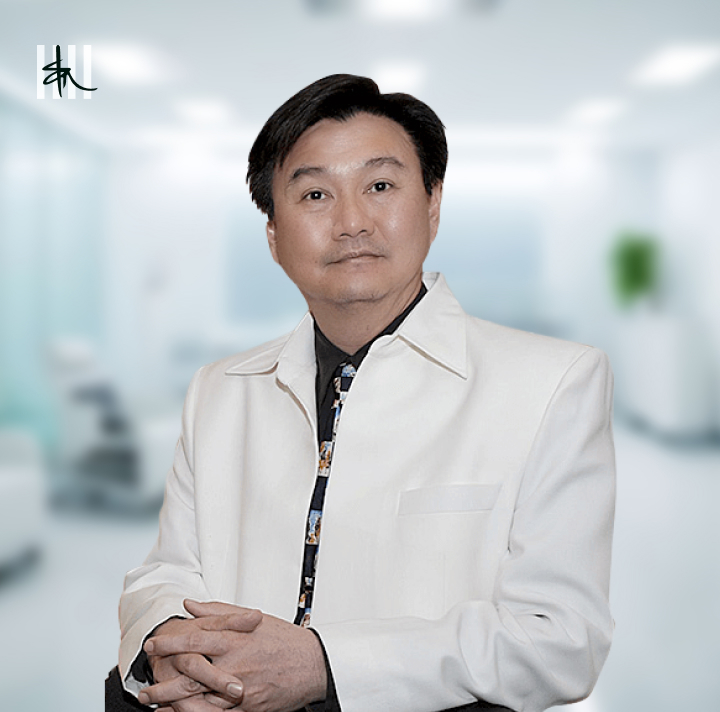
Dr Jen Shek Wei
Consultant Obstetrician & Gynaecologist
Dr Jen Shek Wei is an obstetrician and gynaecologist with over four decades of clinical experience. He graduated from medical school in Singapore in 1979, having earned multiple academic awards, and went on to complete his postgraduate training in both Singapore and the United Kingdom by early 1985. Dr Jen began his specialist career as a consultant at several key institutions, including Kandang Kerbau Hospital, Toa Payoh Hospital, and the National University of Singapore. In 1988 he was elected a Fellow of the Academy of Medicine, Singapore, in recognition for his medical contributions.
In 1988, Dr Jen set up his private practice and opened clinics in Ang Mo Kio and Tampines to make women’s healthcare more accessible. These clinics have served a large and growing patient base ever since, reflecting his commitment to community-based care. Dr Jen’s patient-first approach has earned him a strong reputation for both clinical excellence and compassionate service.
In 1988, Dr Jen set up his private practice and opened clinics in Ang Mo Kio and Tampines to make women’s healthcare more accessible. These clinics have served a large and growing patient base ever since, reflecting his commitment to community-based care. Dr Jen’s patient-first approach has earned him a strong reputation for both clinical excellence and compassionate service.
In recognition of Dr Jen’s sustained contributions and expertise, he was named a Fellow of the Royal College of Obstetricians and Gynaecologists (London) in 1999—an honour reserved for senior specialists who have demonstrated a significant impact on the field. His credentials reflect both a lifelong dedication to medicine and a deep commitment to advancing women's health in Singapore.
Our Promise To Patients
MOH-Licensed
Abortion Clinic
Appointment
with 24 Hrs
Competitive &
Transparent Pricing
Abortion Pill
& Surgery Available
No Hospitalisation
in Most Cases

Use of
Medisave Allowed
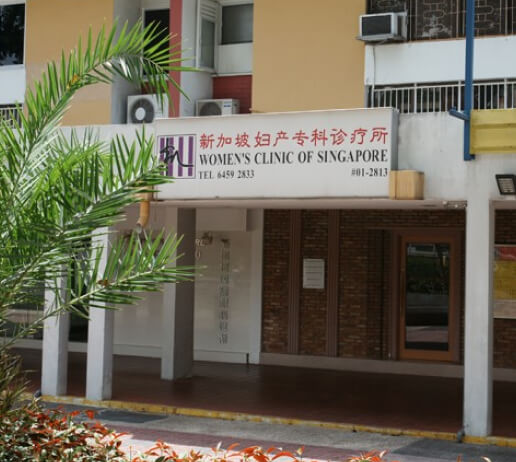

(Next to "Eye Clinic" & "Family Medicare Clinic")
- Sunday & public holidays (whole day), and
- Afternoons of Tuesday, Wednesday, Thursday and Saturday.