
How Are Uterine Fibroids Managed During Pregnancy?

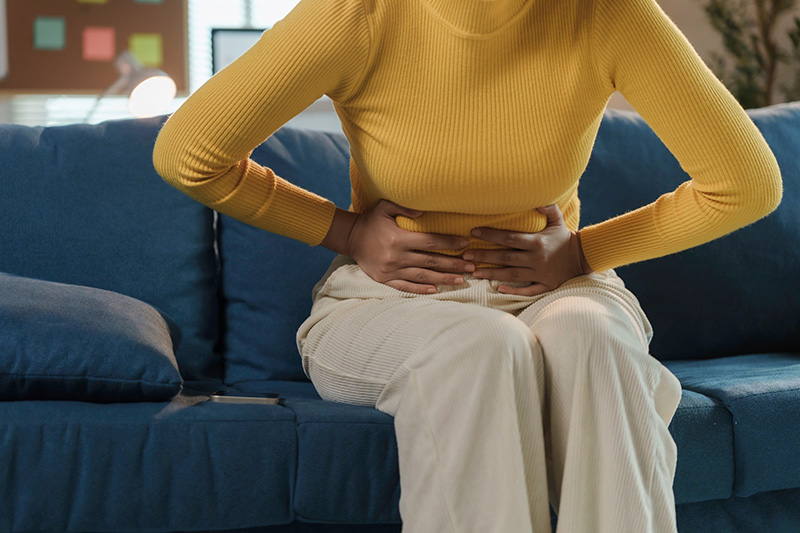
These fibroids are a common type of growth that may be present even before pregnancy. In many cases, they remain stable and do not have a significant effect. However, depending on their size, number and location, fibroids may sometimes require closer monitoring to ensure the comfort and well-being of both the expectant mother and her child.
In order to help families feel more reassured and prepared, it is important to understand how appropriate medical supervision and tailored care can manage fibroids effectively.
What Are Fibroids?
Fibroids are relatively common among women and are often discovered incidentally during routine examinations or ultrasound scans. While many fibroids remain asymptomatic, they may have an impact during pregnancy, depending on their size, number and location within the uterus.
Why Do Fibroids Develop?
The growth of fibroids is strongly influenced by the hormones oestrogen and progesterone, which regulate the menstrual cycle and support pregnancy. This is why fibroids are most commonly diagnosed during the reproductive years and may increase in size during pregnancy when hormone levels are elevated.
What Side Effects Can Fibroids Cause?
Infertility
Fibroids that distort the inner cavity of the uterus may interfere with implantation or embryo development. In some cases, they may affect fertility by blocking the fallopian tubes or altering the uterine lining, making conception more difficult.
Pain During Pregnancy
Pain is one of the more common symptoms associated with fibroids in pregnancy. As hormonal levels rise, fibroids may increase in size or undergo degeneration, which can lead to localised abdominal pain, tenderness or cramping. This pain can sometimes mimic other pregnancy-related conditions and may require medical evaluation.
Premature Labour
Large fibroids or multiple fibroids may irritate the uterus or reduce the available space for the growing baby. In some cases, this may increase the risk of uterine contractions occurring earlier than expected, potentially leading to preterm labour.
Obstruction
Depending on their location, fibroids may obstruct the birth canal or interfere with the baby’s position in the uterus. For example, a fibroid located in the lower uterine segment may make vaginal delivery more challenging and increase the likelihood of a caesarean section.
Miscarriage
Certain types of fibroids, particularly those that distort the uterine cavity, may be associated with an increased risk of miscarriage. This may occur if the fibroid affects blood supply to the pregnancy or disrupts normal implantation of an embryo.
Other Possible Complications
In addition to the above, fibroids may occasionally contribute to placental problems, abnormal foetal positioning or postpartum bleeding. Close monitoring throughout pregnancy allows doctors to detect potential issues early and plan appropriate management to support a safe outcome for both mother and baby.
How Can Fibroids Be Managed or Treated During Pregnancy?
Monitoring and Diagnosis
For women with known fibroids, doctors typically adopt a watchful approach. This involves tracking the size of the fibroids and observing how they may affect the position of the placenta or the baby. Many fibroids remain stable throughout pregnancy and do not require active treatment.
Managing Pain and Discomfort
Certain types of fibroids may cause pain, resulting in the need for conservative measures and pain management strategies. A doctor may recommend pregnancy-safe pain relief methods that do not involve surgical intervention.
Treatment and Removal
Surgical removal of fibroids, known as a myomectomy, is generally avoided during pregnancy due to the increased risk of heavy bleeding. However, in rare cases during pregnancy, emergency surgery may be required if complications cannot be managed conservatively.
There are several types of myomectomy that can be performed
- Hysteroscopic myomectomy: A procedure that is performed through the cervix without abdominal incisions and is typically used for fibroids within the uterine cavity.
- Laparoscopic myomectomy: This operation involves small abdominal incisions and specialised instruments, suitable for fibroids on the outer surface or within the uterine wall.
- Open abdominal myomectomy: Open surgery may be recommended for large or multiple fibroids that require direct access for safe removal and careful reconstruction of the uterus.
Delivery Planning
The presence of fibroids may influence delivery decisions. Depending on their size and location, fibroids can sometimes obstruct the birth canal or affect the baby’s position. In such cases, a caesarean section may be recommended for safety.
With appropriate monitoring and individualised care, most women with fibroids can expect a safe pregnancy and delivery. Early assessment and regular follow-up allow potential concerns to be identified and addressed promptly.
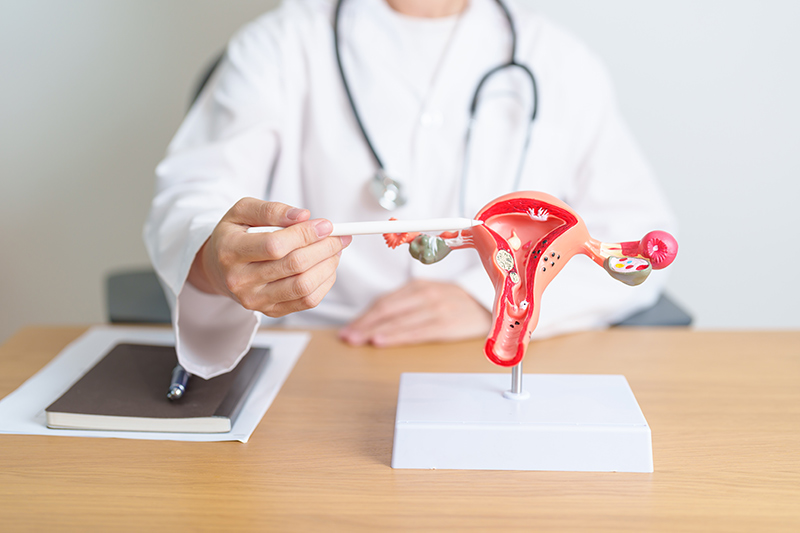
Managing Fibroids Safely and Effectively With an Obstetric Specialist?
At the Women’s Clinic of Singapore, care is centred on providing comprehensive obstetric support tailored to each stage of pregnancy. Dr Jen Shek Wei, our consultant obstetrician and gynaecologist, has extensive experience managing pregnancies complicated by fibroids and other gynaecological conditions, ensuring both maternal safety and foetal wellbeing remain the priority.
Contact us today to book an appointment and discuss the next steps for your care.
Frequently Asked Questions (FAQs) About Fibroids
Do fibroids come back after being removed?
Fibroids that are completely removed during a myomectomy usually do not grow back in the exact same location. However, new fibroids may develop from other uterine muscle cells over time. The likelihood of recurrence depends on factors such as age, hormonal profile and the number of fibroids originally present. Women who undergo surgery at a younger age may have a higher chance of developing new fibroids before menopause.
Can fibroids be left alone?
Many fibroids can be safely left alone if they are small, not causing symptoms and not affecting fertility or pregnancy. In such cases, doctors may recommend periodic monitoring with clinical examinations or ultrasound scans. However, if fibroids cause heavy bleeding, persistent pain, fertility difficulties or pregnancy-related complications, removal may be advised.
Can fibroids shrink and disappear on their own?
Fibroids may shrink when hormone levels decline, particularly after menopause. During the reproductive years, however, they are more likely to remain stable or slowly enlarge due to ongoing exposure to oestrogen and progesterone. While spontaneous shrinkage during pregnancy is less common, some fibroids may reduce in size after delivery as hormone levels return to baseline.
Are fibroids cancerous?
No, fibroids are benign tumours, meaning that they are abnormal cell growths that do not spread to other parts of the body. They are distinct from cancerous growths.
Do fibroids always require surgery?
Surgery is not always necessary. The decision depends on symptom severity, fertility plans and whether the fibroids are causing complications. Some women manage well with monitoring alone, while others may benefit from surgical removal if symptoms significantly affect quality of life or reproductive outcomes.
Meet Our Women’s Health Specialist in Singapore
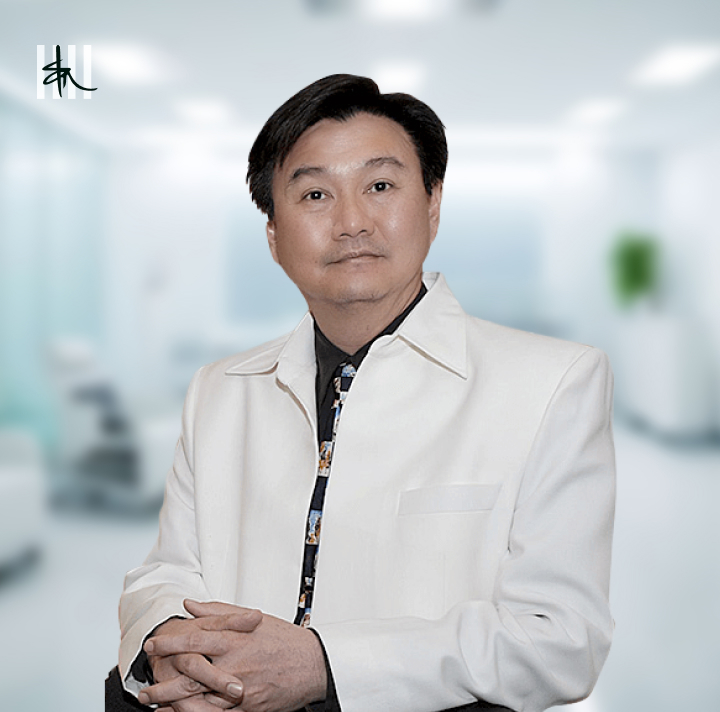
Dr Jen Shek Wei
Consultant Obstetrician & Gynaecologist
Dr Jen Shek Wei is an obstetrician and gynaecologist with over four decades of clinical experience. He graduated from medical school in Singapore in 1979, having earned multiple academic awards, and went on to complete his postgraduate training in both Singapore and the United Kingdom by early 1985. Dr Jen began his specialist career as a consultant at several key institutions, including Kandang Kerbau Hospital, Toa Payoh Hospital, and the National University of Singapore. In 1988 he was elected a Fellow of the Academy of Medicine, Singapore, in recognition for his medical contributions.
In 1988, Dr Jen set up his private practice and opened clinics in Ang Mo Kio and Tampines to make women’s healthcare more accessible. These clinics have served a large and growing patient base ever since, reflecting his commitment to community-based care. Dr Jen’s patient-first approach has earned him a strong reputation for both clinical excellence and compassionate service.
In 1988, Dr Jen set up his private practice and opened clinics in Ang Mo Kio and Tampines to make women’s healthcare more accessible. These clinics have served a large and growing patient base ever since, reflecting his commitment to community-based care. Dr Jen’s patient-first approach has earned him a strong reputation for both clinical excellence and compassionate service.
In recognition of Dr Jen’s sustained contributions and expertise, he was named a Fellow of the Royal College of Obstetricians and Gynaecologists (London) in 1999—an honour reserved for senior specialists who have demonstrated a significant impact on the field. His credentials reflect both a lifelong dedication to medicine and a deep commitment to advancing women's health in Singapore.
Our Promise To Patients
MOH-Licensed
Abortion Clinic
Appointment
with 24 Hrs
Competitive &
Transparent Pricing
Abortion Pill
& Surgery Available
No Hospitalisation
in Most Cases

Use of
Medisave Allowed
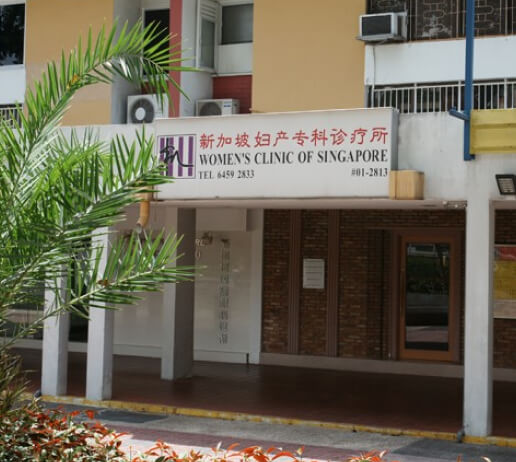

(Next to "Eye Clinic" & "Family Medicare Clinic")
- Sunday & public holidays (whole day), and
- Afternoons of Tuesday, Wednesday, Thursday and Saturday.