
What Follow-Up Care Is Recommended After a Medical Abortion?


After taking abortion pills, you may find yourself wondering whether your recovery is going as expected. This method of ending a pregnancy with medication is known as a medical abortion. Although the clinic will provide instructions before treatment, questions may arise once you are managing your recovery at home.
Follow-up matters because it helps confirm whether the abortion is complete and whether your recovery is progressing as expected. It also gives your doctor an opportunity to identify any concerns that may require further assessment or treatment.
Why Is Follow-Up Recommended After a Medical Abortion?
Medical abortion works by causing the pregnancy to pass from the uterus. Bleeding and cramping are expected as part of this process, but experiencing them does not by itself confirm that the abortion has been completed.
At the Women's Clinic of Singapore, patients undergoing a medical abortion are advised to return for follow-up so that the outcome can be assessed and possible complications identified.
What Happens During a Medical Abortion Follow-Up Appointment?
A follow-up appointment focuses on your recovery since taking the medication. The assessment will depend on how much time has passed and whether your symptoms suggest a need for further investigation.
Reviewing How Your Recovery Has Progressed
Your doctor may ask when you took the medication and how your symptoms developed afterwards. Having a brief record of your bleeding and discomfort can make it easier to describe your experience accurately.
Mention any medicines you have used to manage symptoms and whether they helped. This is also an opportunity to raise questions about your recovery that were not covered in the instructions you received.
Checking Whether the Abortion Is Complete
Your doctor will assess your recovery and decide whether any testing is needed to confirm that the abortion is complete. Depending on your care plan and the timing of the follow-up, this may involve a urine pregnancy test, blood tests to assess pregnancy hormone levels or an ultrasound.
If you are advised to use a urine pregnancy test at home, follow the clinic’s instructions about which test to use and when to take it. A standard shop-bought pregnancy test can remain positive for several weeks after a successful abortion, so the result needs to be interpreted in the context of your recovery.
What Should You Monitor While Recovering at Home?
Between treatment and your follow-up, keep track of changes in your symptoms and how they develop over time. This can help you recognise whether your recovery appears to be progressing as expected and provide useful information to discuss at your review.
Bleeding and Cramping During Recovery
Bleeding is often heavier while the pregnancy is passing, then becomes lighter. Some bleeding or spotting can continue for several weeks. Cramping should generally ease after the pregnancy passes, although intermittent discomfort may continue.
Sanitary pads can help you monitor the amount of bleeding. Note any marked changes and use pain relief according to the instructions provided by your doctor.
When Urgent Medical Attention May Be Needed
Seek urgent medical advice if you experience:
- Bleeding that soaks two or more maxi-size sanitary pads per hour for two consecutive hours.
- Severe or worsening abdominal pain, particularly if the recommended pain relief does not help.
- Persistent fever or unusual, foul-smelling vaginal discharge.
If you faint or have extremely heavy bleeding and feel unwell, seek emergency care immediately. Do not wait for the bleeding to reach the threshold above.
What Happens if the Medical Abortion Is Not Complete?
Follow-up may show that some pregnancy tissue remains in the uterus or that the pregnancy is continuing. These findings are not the same, and the next step will depend on what the assessment shows and whether you are experiencing any concerning symptoms.
If further treatment is needed, additional medication or a procedure to remove pregnancy tissue may be recommended. The appropriate approach will depend on the findings from your assessment and whether there are any complications that require intervention. Your doctor will explain what is recommended and what the treatment involves.

Follow Up After a Medical Abortion With Dr Jen Shek Wei
Uncertainty after a medical abortion can make it difficult to know whether what you are experiencing is part of the expected recovery or something that should be assessed. A follow-up consultation can help confirm the outcome of treatment and determine whether any further care is needed.
At the Women's Clinic of Singapore, patients can receive follow-up assessment after a medical abortion. With over four decades of clinical experience in obstetrics and gynaecology, Dr Jen Shek Wei can assess your recovery and advise whether further monitoring or treatment may be needed.
If you have concerns about your recovery or need to arrange your recommended follow-up, contact the clinic to book an appointment for assessment.
FAQs About Follow-Up After a Medical Abortion
What should I do if I miss my follow-up appointment?
Contact the clinic to rearrange your appointment and explain how you have been feeling since treatment. The clinic can advise how soon you should return. Avoid assuming that a missed review is no longer needed simply because you feel well.
Can I take a pregnancy test before my follow-up appointment?
A pregnancy test can remain positive for several weeks after a successful medical abortion because pregnancy hormone levels take time to fall. Follow the clinic’s instructions on when to test and which type of test to use. An early positive result does not necessarily mean that the abortion was unsuccessful.
What information should I bring if I took the abortion pills elsewhere?
Bring any information you have about which medication you took and when you took it. Relevant previous records or test results may also be helpful if available. Even if you do not have these details, do not delay seeking care.
Meet Our Doctor

Dr Jen Shek Wei
Consultant Obstetrician & Gynaecologist
Dr Jen Shek Wei is an obstetrician and gynaecologist with over four decades of clinical experience. He graduated from medical school in Singapore in 1979, having earned multiple academic awards, and went on to complete his postgraduate training in both Singapore and the United Kingdom by early 1985. Dr Jen began his specialist career as a consultant at several key institutions, including Kandang Kerbau Hospital, Toa Payoh Hospital, and the National University of Singapore. In 1988 he was elected a Fellow of the Academy of Medicine, Singapore, in recognition for his medical contributions.
In 1988, Dr Jen set up his private practice and opened clinics in Ang Mo Kio and Tampines to make women’s healthcare more accessible. These clinics have served a large and growing patient base ever since, reflecting his commitment to community-based care. Dr Jen’s patient-first approach has earned him a strong reputation for both clinical excellence and compassionate service.
In 1988, Dr Jen set up his private practice and opened clinics in Ang Mo Kio and Tampines to make women’s healthcare more accessible. These clinics have served a large and growing patient base ever since, reflecting his commitment to community-based care. Dr Jen’s patient-first approach has earned him a strong reputation for both clinical excellence and compassionate service.
In recognition of Dr Jen’s sustained contributions and expertise, he was named a Fellow of the Royal College of Obstetricians and Gynaecologists (London) in 1999—an honour reserved for senior specialists who have demonstrated a significant impact on the field. His credentials reflect both a lifelong dedication to medicine and a deep commitment to advancing women's health in Singapore.
Our Promise To Patients
MOH-Licensed
Abortion Clinic
Appointment
with 24 Hrs
Competitive &
Transparent Pricing
Abortion Pill
& Surgery Available
No Hospitalisation
in Most Cases

Use of
Medisave Allowed
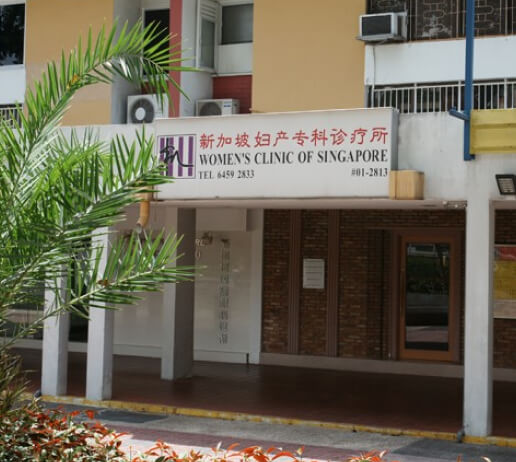

(Next to "Eye Clinic" & "Family Medicare Clinic")
- Sunday & public holidays (whole day), and
- Afternoons of Tuesday, Wednesday, Thursday and Saturday.