
A Guide to the Different Stages of Endometriosis


Understanding the stages of endometriosis can help make sense of what is happening in your body. These stages give a clearer picture of how the condition develops and can guide the type of care you may need. Here is what each stage means and how it may relate to your experience.
What Are the Stages of Endometriosis?
It is important to note that the stage does not always reflect how much pain you feel. Some women with early-stage endometriosis experience significant discomfort, while others with more advanced stages may have milder symptoms. This is why a personalised approach to care is always essential.
Stage 1: Minimal Endometriosis
Because of this, symptoms may not always be obvious. You might not notice anything unusual at first, or you may experience mild pelvic discomfort, particularly during your period. It can be easy to dismiss this as typical menstrual pain, especially if it does not significantly disrupt your routine. Even so, paying attention to these early signs can be helpful. Seeking medical advice early on allows you to better understand your body and may support earlier management before the condition progresses.

Stage 2: Mild Endometriosis
With these developments, symptoms often become more noticeable. You may find that menstrual cramps feel stronger than before, or that pelvic discomfort starts to occur outside of your period. Certain movements or daily activities may also trigger pain, which can make it harder to ignore.
Stage 3: Moderate Endometriosis
As a result, symptoms can become more persistent and intense. You may experience pain not only during menstruation but at other times as well. Some women also notice discomfort during intercourse or begin to encounter challenges with fertility.
Stage 4: Severe Endometriosis
Because of this, symptoms are often more severe and ongoing. You may experience chronic pelvic pain, heavy periods and even digestive or urinary issues that affect your quality of life. Fertility concerns may also become more prominent.
Take Charge of Your Health Today
At the Women's Clinic of Singapore led by Dr Jen Shek Wei, care is centred around helping you feel heard, informed and supported at every stage of your journey. If you have been experiencing symptoms or simply want clarity about your reproductive health, book a consultation to start a conversation today. With the right guidance, you can move forward with greater confidence and peace of mind.
Meet Our Women’s Health Specialist in Singapore
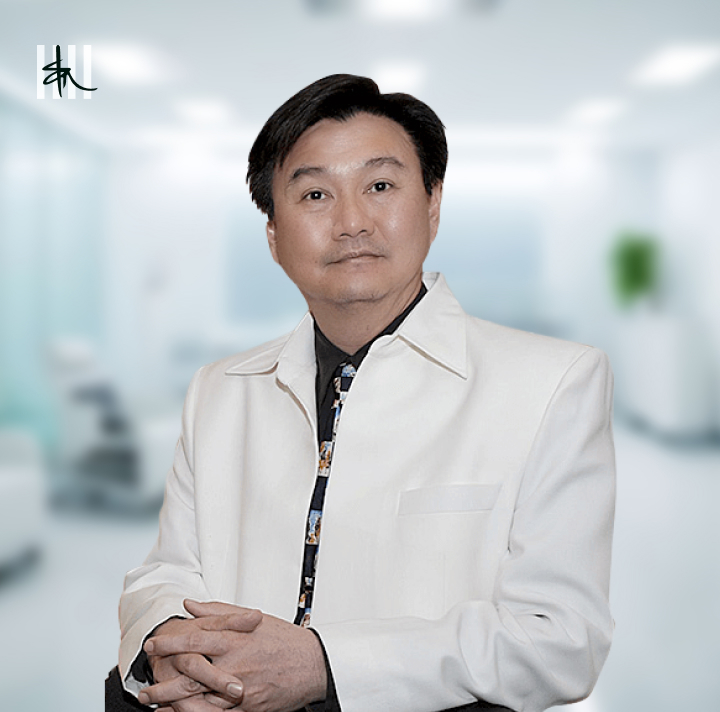
Dr Jen Shek Wei
Consultant Obstetrician & Gynaecologist
Dr Jen Shek Wei is an obstetrician and gynaecologist with over four decades of clinical experience. He graduated from medical school in Singapore in 1979, having earned multiple academic awards, and went on to complete his postgraduate training in both Singapore and the United Kingdom by early 1985. Dr Jen began his specialist career as a consultant at several key institutions, including Kandang Kerbau Hospital, Toa Payoh Hospital, and the National University of Singapore. In 1988 he was elected a Fellow of the Academy of Medicine, Singapore, in recognition for his medical contributions.
In 1988, Dr Jen set up his private practice and opened clinics in Ang Mo Kio and Tampines to make women’s healthcare more accessible. These clinics have served a large and growing patient base ever since, reflecting his commitment to community-based care. Dr Jen’s patient-first approach has earned him a strong reputation for both clinical excellence and compassionate service.
In 1988, Dr Jen set up his private practice and opened clinics in Ang Mo Kio and Tampines to make women’s healthcare more accessible. These clinics have served a large and growing patient base ever since, reflecting his commitment to community-based care. Dr Jen’s patient-first approach has earned him a strong reputation for both clinical excellence and compassionate service.
In recognition of Dr Jen’s sustained contributions and expertise, he was named a Fellow of the Royal College of Obstetricians and Gynaecologists (London) in 1999—an honour reserved for senior specialists who have demonstrated a significant impact on the field. His credentials reflect both a lifelong dedication to medicine and a deep commitment to advancing women's health in Singapore.
Our Promise To Patients
MOH-Licensed
Abortion Clinic
Appointment
with 24 Hrs
Competitive &
Transparent Pricing
Abortion Pill
& Surgery Available
No Hospitalisation
in Most Cases

Use of
Medisave Allowed
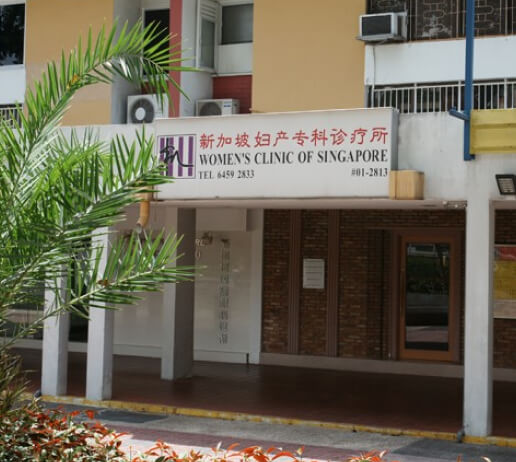

(Next to "Eye Clinic" & "Family Medicare Clinic")
- Sunday & public holidays (whole day), and
- Afternoons of Tuesday, Wednesday, Thursday and Saturday.