
Aftercare Following Abortion Surgery: Do's and Don'ts


From knowing which activities to avoid to recognising when symptoms require medical attention, understanding the key do's and don'ts can help support a smoother recovery.
What to Expect After Abortion Surgery
For early pregnancies, most women recover quickly. For pregnancies beyond 10 weeks, mild bleeding may last longer and some women experience heavier bleeding or stronger cramping between three and seven days after the procedure before symptoms gradually improve.
Pregnancy-related symptoms, such as morning sickness, breast tenderness, dizziness or palpitations, do not disappear immediately. These usually settle over one to two weeks as pregnancy hormone levels decline. Home pregnancy tests may also remain positive for up to two weeks after the procedure.
Do's After Abortion Surgery
Get Plenty of Rest
Take Medication as Prescribed
Attend Your Follow-up Appointment
Use Sanitary Pads
Don'ts After Abortion Surgery
Don't Have Sexual Intercourse Too Soon
Don't Use Tampons or Menstrual Cups
Don't Go Swimming or Take Baths
Don't Ignore Concerning Symptoms
When Should You Contact Your Doctor?

Seek medical advice if you experience:
- Heavy bleeding that is significantly heavier than your normal menstrual period
- Severe abdominal pain that does not improve with prescribed pain relief
- Fever that persists or develops after returning home
- Foul-smelling vaginal discharge
- Feeling faint, dizzy or generally unwell
Early assessment allows complications such as infection or retained pregnancy tissue to be treated promptly.
Looking After Your Emotional Well-being
If you find that your emotions are becoming difficult to manage or are affecting your daily life, speak with your doctor. They can provide reassurance, assess whether additional support is needed and direct you to appropriate services if necessary.
Supporting Your Recovery Every Step of the Way
At the Women's Clinic of Singapore, treatment is guided by Dr Jen Shek Wei, who provides confidential follow-up care and personalised advice after surgical abortion. Schedule a consultation if you have concerns about your recovery or would like further guidance.
Frequently Asked Questions About Recovery After Abortion Surgery
Is it normal for my bleeding to stop and start again?
Can I travel after abortion surgery?
When can I exercise again?
Meet Our Women’s Health Specialist in Singapore
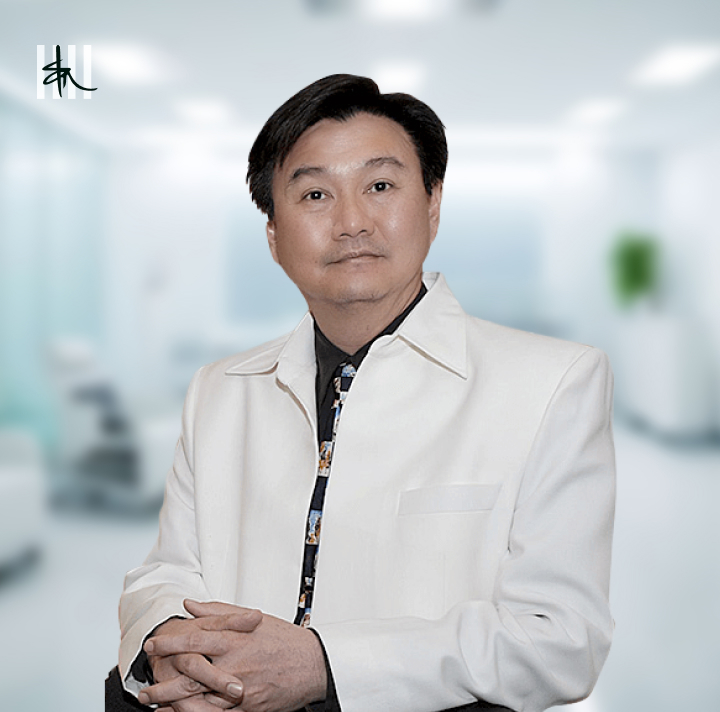
Dr Jen Shek Wei
Consultant Obstetrician & Gynaecologist
Dr Jen Shek Wei is an obstetrician and gynaecologist with over four decades of clinical experience. He graduated from medical school in Singapore in 1979, having earned multiple academic awards, and went on to complete his postgraduate training in both Singapore and the United Kingdom by early 1985. Dr Jen began his specialist career as a consultant at several key institutions, including Kandang Kerbau Hospital, Toa Payoh Hospital, and the National University of Singapore. In 1988 he was elected a Fellow of the Academy of Medicine, Singapore, in recognition for his medical contributions.
In 1988, Dr Jen set up his private practice and opened clinics in Ang Mo Kio and Tampines to make women’s healthcare more accessible. These clinics have served a large and growing patient base ever since, reflecting his commitment to community-based care. Dr Jen’s patient-first approach has earned him a strong reputation for both clinical excellence and compassionate service.
In 1988, Dr Jen set up his private practice and opened clinics in Ang Mo Kio and Tampines to make women’s healthcare more accessible. These clinics have served a large and growing patient base ever since, reflecting his commitment to community-based care. Dr Jen’s patient-first approach has earned him a strong reputation for both clinical excellence and compassionate service.
In recognition of Dr Jen’s sustained contributions and expertise, he was named a Fellow of the Royal College of Obstetricians and Gynaecologists (London) in 1999—an honour reserved for senior specialists who have demonstrated a significant impact on the field. His credentials reflect both a lifelong dedication to medicine and a deep commitment to advancing women's health in Singapore.
Our Promise To Patients
MOH-Licensed
Abortion Clinic
Appointment
with 24 Hrs
Competitive &
Transparent Pricing
Abortion Pill
& Surgery Available
No Hospitalisation
in Most Cases

Use of
Medisave Allowed
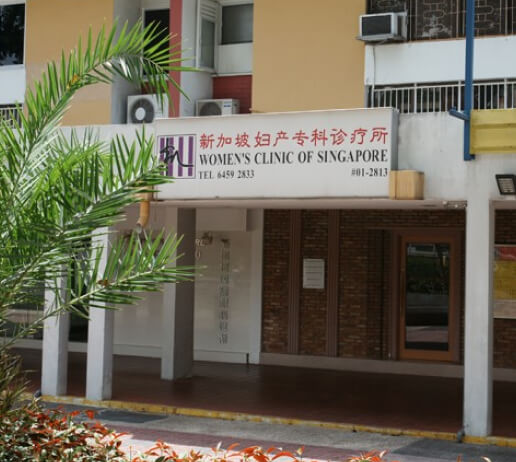

(Next to "Eye Clinic" & "Family Medicare Clinic")
- Sunday & public holidays (whole day), and
- Afternoons of Tuesday, Wednesday, Thursday and Saturday.