
Common Myths and Facts About Abortion in Singapore


Abortion misinformation can be misleading because it often presents a possible outcome as though it will happen to everyone. Some claims may contain an element of truth, but leave out important context about how likely an outcome is or what it actually means for the individual.
Separating possibility from inevitability can therefore make common abortion claims easier to assess. This article looks at several misconceptions about abortion in Singapore and explains what the available medical and legal information actually means.
What Are Some Common Misconceptions About Abortion Requirements in Singapore?
Abortion is legal in Singapore, but it is subject to specific medical and legal requirements. Misunderstandings about these requirements can lead to confusion over consent and the conditions that must be met before an abortion can be carried out.
Myth: Abortion Is Illegal in Singapore
Abortion is legal in Singapore when the requirements under the Termination of Pregnancy Act are met. It must be performed by an authorised medical practitioner, although drug-only treatment may not need to take place in an approved institution.
Eligibility may depend on your residency or immigration status. An abortion is generally not carried out after 24 weeks of pregnancy. Exceptions may apply when the procedure is immediately necessary to save the pregnant woman's life or prevent grave permanent injury to her health.
Although abortion is legal, the stage of pregnancy can affect which options remain available. Seeking medical advice early allows the pregnancy duration to be confirmed and the requirements relevant to you to be explained.
Myth: A Partner or Parent Must Always Give Consent
The pregnant woman provides consent for her own abortion. A partner does not have the legal authority to provide or withhold consent on her behalf.
Parental consent is also not legally required for a minor. However, minors may be encouraged to involve a parent where doing so is safe and may provide useful support.
Pre-abortion consultations are generally required before the procedure. Unmarried minors below 16 must attend counselling at the Health Promotion Board Counselling Centre. At least 48 hours must usually pass after counselling before written consent can be given.

Does Abortion Permanently Affect Your Health or Fertility?
Expected short-term effects after an abortion and possible complications do not automatically mean there will be lasting health consequences. Whether there is any longer-term effect depends on what occurs during recovery and whether a complication develops.
Myth: Abortion Always Causes Lasting Health Problems
As with any medical treatment, complications can occur, but they are possible risks rather than expected outcomes. The risk of complications can also vary with the pregnancy duration and individual health factors.
Even when a complication occurs, this does not necessarily mean there will be lasting effects. What matters is the type of complication and whether further treatment is needed.
Myth: You Cannot Become Pregnant After an Abortion
An uncomplicated abortion does not usually reduce future fertility. Fertility can return before your next menstrual period, so another pregnancy may occur sooner than expected if contraception is not used.
Future fertility can be affected if certain complications, such as an infection, develop and are not treated. Seek medical advice if you have symptoms that persist or worsen after an abortion, particularly if infection is suspected.
What Happens to the Body After an Abortion?
Bleeding, cramping and other physical changes can occur after an abortion, but their duration and intensity can vary. This means an individual symptom usually needs to be considered alongside how recovery is progressing rather than interpreted on its own.
Myth: Bleeding Means the Abortion Is Incomplete
Bleeding alone cannot show whether an abortion is complete because it is also expected during normal recovery. However, bleeding that remains unusually heavy, pain that persists or worsens, or pregnancy symptoms such as nausea or breast tenderness that do not ease as expected may warrant medical assessment.
An incomplete abortion cannot be confirmed from these symptoms alone. A doctor may use an examination or ultrasound to determine whether pregnancy tissue remains. If it does, further medication or a surgical procedure may be needed to complete the abortion.
When Can You Drink Alcohol After an Abortion?
When you can drink alcohol after an abortion depends on the treatment and medication received. Avoid alcohol while you are still affected by sedation or general anaesthesia, as it may increase drowsiness and impair judgement. Alcohol can also interact with some medications prescribed after an abortion.
Rather than relying on a fixed timeframe, follow your discharge instructions or check with your doctor before drinking alcohol.
Discuss Your Abortion Options at Women's Clinic of Singapore
Information about abortion may not apply in the same way to every patient. Speaking with a gynaecologist can help you understand which abortion options may be available based on your pregnancy and individual circumstances.
Women's Clinic of Singapore provides abortion assessment and care for patients considering their options. Dr Jen Shek Wei can discuss the abortion methods that may be available based on your pregnancy and individual circumstances. If you are considering an abortion, book an appointment to discuss the options that may be available in your circumstances.
FAQs About Abortion Myths and Facts
Can a pregnancy test remain positive after an abortion?
Yes. Pregnancy hormone levels fall gradually, so a test may remain positive even after the pregnancy has ended. This does not necessarily mean the abortion was unsuccessful. Follow any testing instructions provided after your abortion and contact your doctor if you are unsure how to interpret the result.
Can I change my mind after pre-abortion counselling?
Yes. Attending counselling does not oblige you to proceed with an abortion. The waiting period allows time to consider the information provided. Tell the clinic if you decide not to continue or need further guidance.
Are abortion records confidential in Singapore?
Information relating to abortion treatment is generally kept confidential and is not disclosed without the patient's consent. However, there are limited circumstances where disclosure may be permitted by law, such as for authorised official purposes or legal proceedings.
Meet Our Doctor

Dr Jen Shek Wei
Consultant Obstetrician & Gynaecologist
Dr Jen Shek Wei is an abortion doctor with more than 30 years of experience in the field of OBGYN. At his Ministry of Health (MOH)-accredited clinic, he provides medical abortion (abortion pills) with an attentive follow-up to monitor progress and manage any side effects. Throughout the entire process, Dr Jen is committed to offering compassionate and confidential care for his patients during what is often a difficult and emotional time for them.
Our Promise To Patients
MOH-Licensed
Abortion Clinic
Appointment
with 24 Hrs
Competitive &
Transparent Pricing
Abortion Pill
& Surgery Available
No Hospitalisation
in Most Cases

Use of
Medisave Allowed
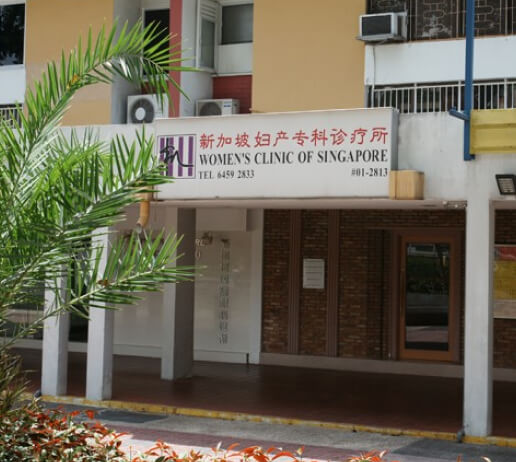

(Next to "Eye Clinic" & "Family Medicare Clinic")
- Sunday & public holidays (whole day), and
- Afternoons of Tuesday, Wednesday, Thursday and Saturday.